
Few things are more frustrating than stepping into a hot shower first thing in the morning only for it to turn icy after a couple of minutes. It is one of the most common complaints we hear when people call about hot water repair and servicing. Whether you live in a modern flat in Cheltenham or a 1930s semi in Churchdown, fluctuating hot water almost always comes down to a handful of issues.
The good news is that some causes are simple and easy to check yourself. Others do need a professional eye, especially when gas appliances are involved. Below, I will walk you through the usual suspects and what you can safely do before picking up the phone.
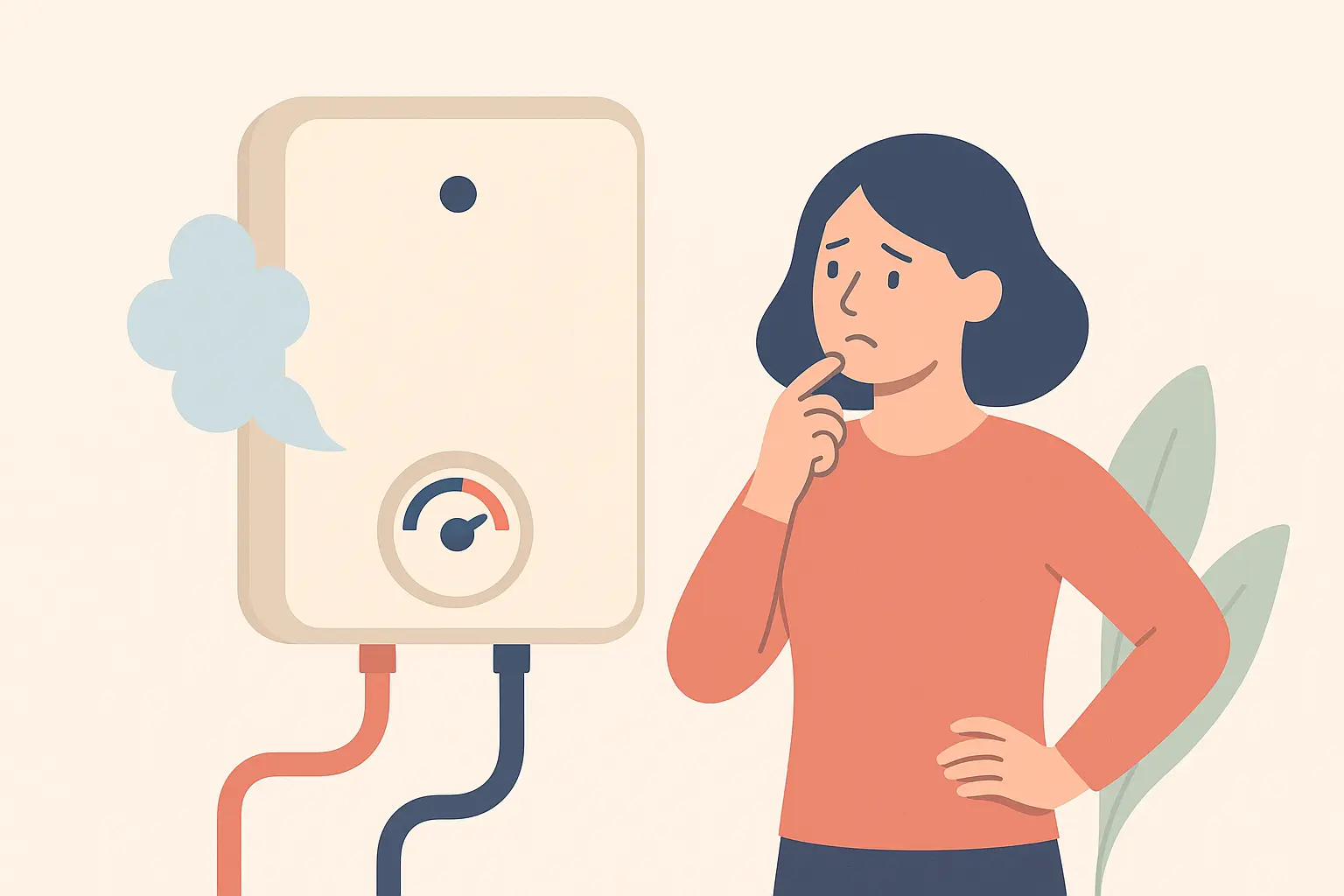
Top Causes of Hot Water Going Cold
1. Boiler issues
The boiler is usually the heart of the problem. If it is struggling, your hot water will be the first thing you notice.
Common boiler-related causes include:
- Low boiler pressure
- A faulty diverter valve in a combi
- A worn out heat exchanger
- A boiler that is simply too small for demand
Low pressure is particularly common. I have lost count of how many times I have visited homes in Leckhampton where the pressure gauge is sitting below 1 bar. In that case, the boiler can cut out or struggle to keep water consistently hot.
2. Thermostat faults
If the thermostat or temperature sensor inside the boiler is faulty, it can misread the water temperature. The burner might switch off too soon, thinking the water is hot enough when it is not. That creates the classic pattern of hot for 30 seconds, then lukewarm, then hot again.
Room thermostats can also play a part in system boilers, especially if the controls are older or have wiring issues.
3. Sediment build-up
In hard water areas like Cheltenham and Churchdown, limescale is a regular culprit. Over time, sediment builds up in heat exchangers and hot water cylinders. That layer of scale acts like insulation, stopping heat transferring properly to the water.
You may notice:
- Water that runs hot then quickly cools
- Banging or kettling noises from the boiler
- Longer times to heat up
If your system has never been flushed or serviced properly, this is well worth investigating.
Combi vs System Boilers: Different Causes
The type of boiler you have makes a difference to how hot water problems show up.
Combi boilers
Combi boilers heat water on demand. There is no tank. That means if the boiler cannot keep up, the temperature drops quickly.
Typical combi-related reasons include a defective diverter valve, a blocked plate heat exchanger or someone else turning on a tap while you are in the shower. In homes with multiple bathrooms, a combi that is too small for the property can struggle. I see this quite often in larger properties around Leckhampton where an older 24kW boiler simply cannot handle two showers at once.
System or regular boilers
With a system or regular boiler, hot water is stored in a cylinder. If you run out of stored hot water, it will go cold until the cylinder reheats.
In these setups, the issues are often:
- A failing cylinder thermostat
- Sludge in the system
- A faulty motorised valve
- An undersized or poorly insulated cylinder
If the hot water works fine at first but runs cold after baths back to back, it may simply be that the cylinder capacity does not match demand.
Quick Checks You Can Do Safely at Home
Before calling anyone out, there are a few safe checks worth doing.
- Check the boiler pressure gauge. Ideally it should sit between 1 and 1.5 bar when cold.
- Make sure no one else is using hot water at the same time.
- Confirm your timer and programmer settings are correct.
- Listen for unusual noises from the boiler or cylinder.
- Check whether the issue affects all taps or just one shower.
If the problem is only in one shower, the issue may be the shower valve rather than the boiler. I have attended plenty of properties in Cheltenham where the boiler was fine but the thermostatic cartridge inside the shower had failed.
Do not remove the boiler casing or attempt internal repairs. Anything involving gas should always be left to a Gas Safe registered engineer.
When to Call a Professional Plumber
If you notice recurring temperature fluctuations, boiler error codes, leaking, strange smells or the pressure constantly dropping, it is time to get it checked properly.
Professional diagnosis might involve checking components, testing thermostats, inspecting for scale build-up or assessing whether the boiler is correctly sized for the home. In some cases, particularly with older appliances, replacement may be more cost effective than ongoing repairs. If that is the case, you can explore options for boiler installations in your area.
For example, we often advise homeowners looking at boiler installations in Cheltenham, Leckhampton and Churchdown once their existing system becomes unreliable and inefficient.
If your boiler is otherwise in good condition, a proper service or targeted repair is usually enough. More information on common faults and fixes can be found on our boiler service and repairs page.
Preventing Future Hot Water Problems
Most hot water issues I see could have been reduced or avoided with regular maintenance. An annual boiler service keeps components clean, checks safety devices and catches wear and tear early.
In hard water areas, it is also worth discussing system filters or periodic descaling. Keeping inhibitor levels topped up in sealed systems helps prevent sludge build-up which protects both radiators and hot water performance.
If your hot water keeps going cold and you are not sure why, it is better to sort it sooner rather than later. Small faults have a habit of turning into bigger breakdowns at the worst possible time, usually when you have guests staying.
For straightforward advice and practical help across Cheltenham and surrounding areas, the team at Cotswold Plumbers are always happy to take a look. If you would like peace of mind, contact us today to book a hot water check today and get things running properly again.